


Civic Engagement: How Learning About Transit Makes Life Easier on Long Island
What does it mean to be truly engaged in your community? For Long Island families, especially those new to the area, civic engagement often begins with understanding the very systems that connect us to opportunity, work, and each other. Transit knowledge isn't just about getting from point A to point B: it's about participating in the fabric of community life.
Consider this: every time you choose public transportation over driving alone, you're making a civic statement. You're reducing traffic congestion, supporting sustainable infrastructure, and contributing to a more connected community. For immigrant families settling in areas like Elmont, this knowledge becomes even more powerful: it's the difference between feeling isolated and feeling integrated.
The Transit Landscape That Shapes Our Lives
Long Island's transportation network represents one of the most comprehensive systems in the nation. The Long Island Rail Road carries over 301,000 passengers daily across 735 trains, making it North America's busiest commuter railroad. Yet how many families truly understand how to leverage this system for their benefit?
Beyond the LIRR, Suffolk County operates 25 fixed bus routes year-round, while western areas like Long Island City offer access to 8 subway lines, 15 bus routes, and multiple ferry services. These aren't just numbers: they represent pathways to employment, education, healthcare, and community connection that many families never fully explore.
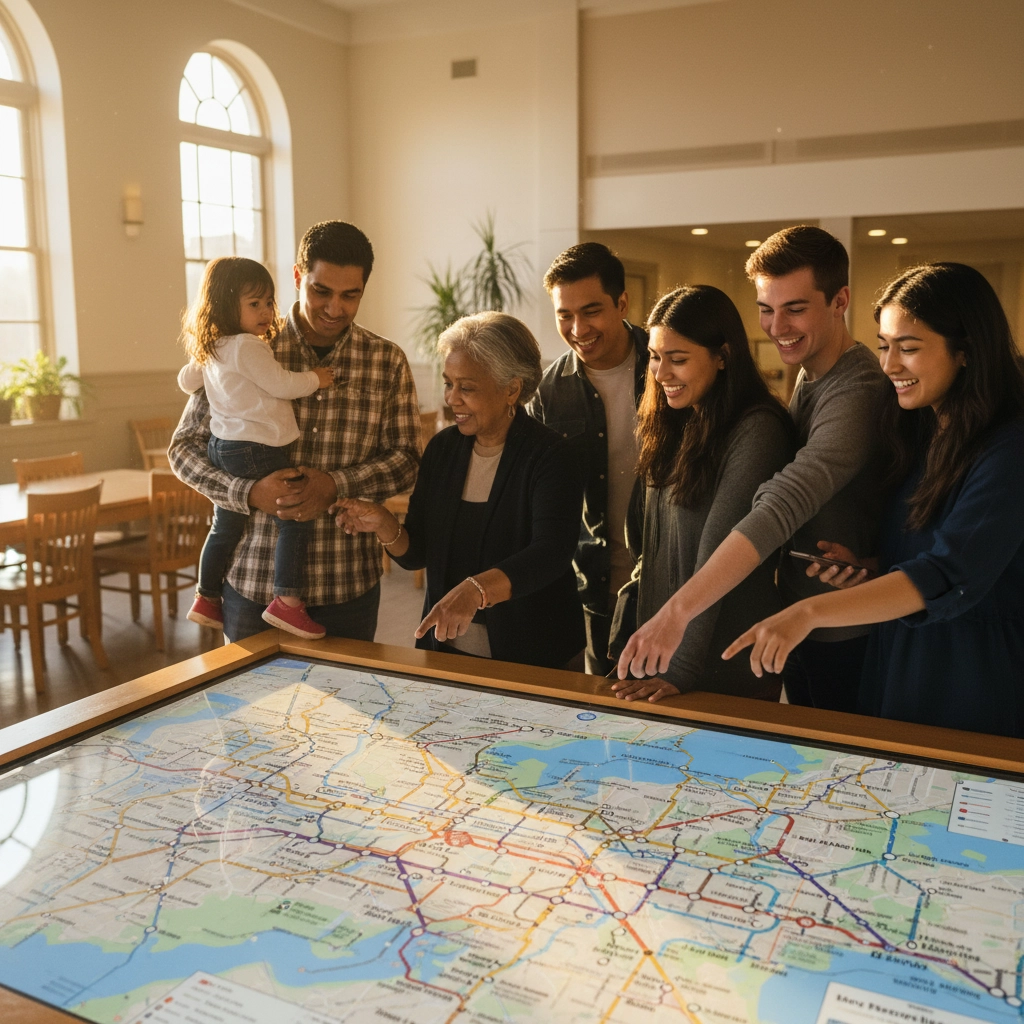
The complexity of these options can overwhelm newcomers, particularly immigrant families who may be navigating language barriers alongside transportation challenges. This is where community engagement programs become essential, bridging the gap between available resources and accessible knowledge.
The Hidden Costs of Transportation Ignorance
When families don't understand their transit options, they pay, literally. The average Long Island commuter loses $1,684 annually to traffic congestion through wasted time and fuel costs. For families already managing tight budgets, this represents a significant financial burden that informed transit use could alleviate.
But the costs extend beyond dollars. Limited transportation knowledge restricts access to job opportunities, educational programs, healthcare services, and social connections. Children may miss after-school activities, parents may turn down better-paying jobs in different areas, and families may remain isolated from community resources simply because they don't know how to reach them efficiently.
Consider Maria, a recent immigrant who settled in Elmont. Initially, she relied on expensive taxi services for essential trips, unaware that bus routes could connect her to job training programs, English classes, and community services. Once she learned to navigate the system, her monthly transportation costs dropped by 60%, and she gained access to opportunities that transformed her family's prospects.
Civic Engagement Through Transit Advocacy
Understanding transit systems naturally leads to civic participation. When families experience the benefits of public transportation, they become invested in its improvement. They attend town halls about route changes, advocate for better accessibility features, and support funding initiatives that enhance service quality.
This engagement creates a positive cycle. Better-informed riders provide more thoughtful feedback to transit agencies. Their advocacy leads to improvements that benefit entire communities. New immigrants, in particular, bring fresh perspectives to transit planning, often identifying needs that long-time residents have learned to overlook.

The Elmont Cultural Center recognizes this connection between transit literacy and civic engagement. Through our community learning opportunities, we help families understand not just how to use public transportation, but how to advocate for improvements that benefit everyone.
Practical Steps for Family Transit Engagement
Meaningful civic engagement starts with small, practical actions that any family can take:
Start with exploration. Dedicate one weekend day to trying different transit routes in your area. Use apps like the MTA's official app or Google Maps to plan trips to places you'd normally drive. Turn it into a family adventure: kids often enjoy the novelty of train rides and bus trips.
Connect with community programs. Organizations like the Elmont Cultural Center offer workshops that combine transit education with broader community engagement programs. These sessions help families understand not just the mechanics of public transportation, but its role in community building.
Attend local meetings. Many transit agencies hold public forums about service changes and improvements. These meetings provide opportunities to voice concerns, suggest improvements, and meet other community members who share similar interests.
Share knowledge. Once you've mastered local transit options, help others. This peer-to-peer education strengthens community bonds while expanding everyone's transportation options.
Building Community Through Shared Transit Experiences
Public transportation creates unexpected opportunities for community connection. Regular commuters develop relationships with fellow riders, children learn about diversity through interactions with people from different backgrounds, and families discover new neighborhoods and cultural opportunities along transit routes.
These connections often extend beyond transportation. Families who meet on buses or trains may discover shared interests, leading to friendships, business partnerships, or collaborative community projects. Transit hubs become informal community centers where neighbors share information, resources, and support.
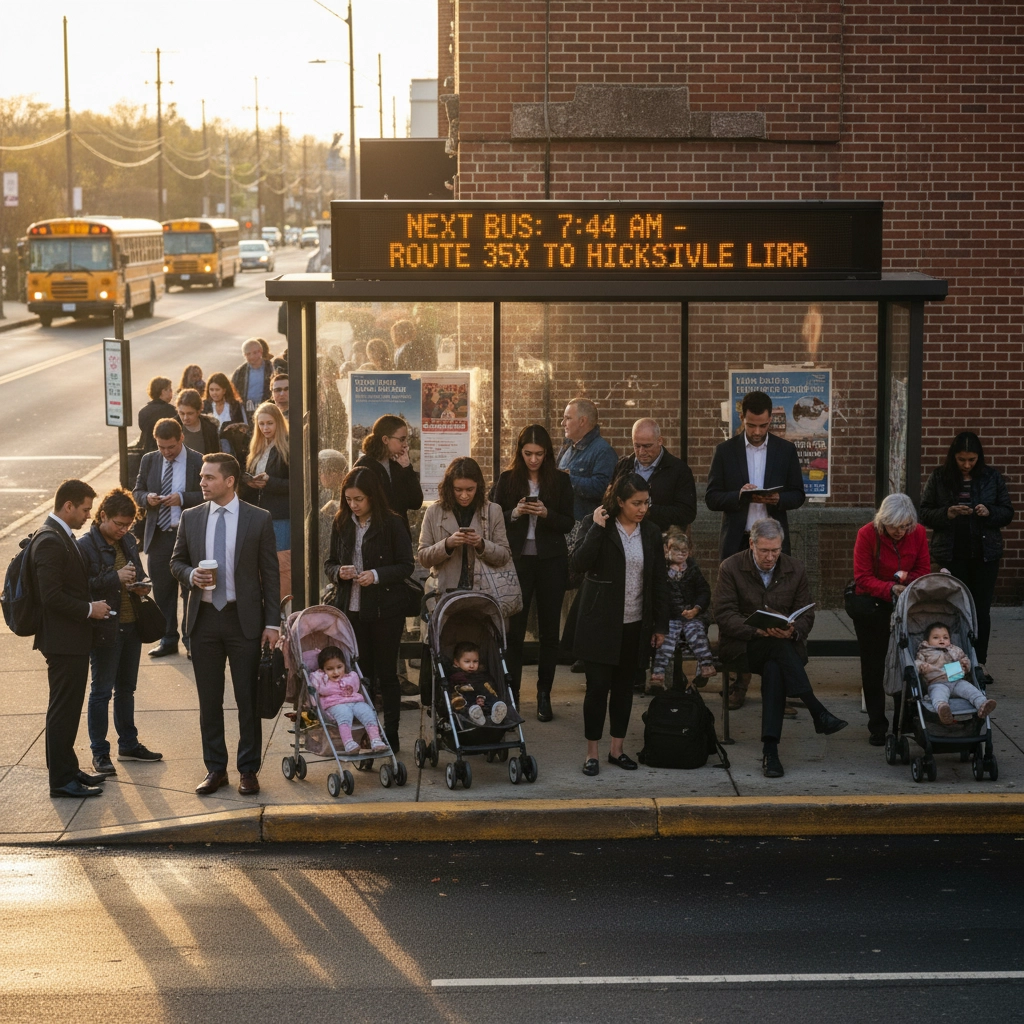
For immigrant families, these connections prove especially valuable. Public transportation provides natural opportunities to practice English, learn about local customs, and build the social networks essential for successful integration. The shared experience of navigating transit systems creates common ground across cultural differences.
The Role of Cultural Centers in Transit Education
Community organizations like the Elmont Cultural Center serve as crucial bridges between families and transportation resources. We understand that effective transit education goes beyond route maps and schedules: it requires cultural sensitivity, language support, and recognition of the unique challenges facing different community members.
Our immigrant support services include comprehensive transit orientation programs that cover everything from reading subway maps to understanding fare structures. We also address safety concerns, cultural norms around public transportation, and strategies for traveling with children or elderly family members.
These programs recognize that transportation knowledge intersects with broader integration needs. Learning to navigate Long Island's transit systems builds confidence for other civic activities, from attending school board meetings to accessing social services.
Long-term Benefits of Transit-Informed Communities
Communities where residents understand and actively use public transportation tend to be more economically dynamic, environmentally sustainable, and socially connected. Property values near transit hubs often remain more stable, local businesses benefit from increased foot traffic, and reduced car dependency leads to healthier air quality.
For Long Island, with its expected population growth from 2.8 million to 3.2 million by 2045, these benefits become increasingly critical. Well-informed transit users help maximize the efficiency of existing infrastructure while supporting investments in improvements and expansions.
The ongoing Double Track project adding 12.6 miles between Farmingdale and Ronkonkoma, the Third Track project from Floral Park to Hicksville, and electrification extensions across three LIRR lines represent significant public investments. Community members who understand these improvements and advocate for their effective implementation help ensure maximum benefit from public resources.
Making Transit Advocacy Accessible
Effective civic engagement requires accessible entry points. Not every family can attend evening meetings or navigate complex government websites. Successful community engagement programs meet people where they are, offering multiple ways to participate in transit advocacy.
The Elmont Cultural Center creates these entry points through multilingual resources, flexible programming schedules, and partnerships with other community organizations. We recognize that a single mother working multiple jobs may need different engagement opportunities than a retired couple with flexible schedules.
Our approach emphasizes that civic participation comes in many forms. Helping a neighbor understand bus schedules is civic engagement. Sharing transit experiences on community social media groups builds collective knowledge. Choosing public transportation when possible supports system sustainability.
Moving Forward Together
Learning about transit systems transforms individual family experiences while strengthening entire communities. When families understand their transportation options, they gain freedom to explore opportunities, reduce expenses, and connect with neighbors. When they apply this knowledge to advocate for improvements, they participate in the democratic process that shapes community development.
The journey toward more engaged, transit-literate communities requires ongoing effort from residents, community organizations, and transit agencies. Success depends on recognizing that transportation is fundamentally about connection: connecting people to opportunities, families to resources, and neighbors to each other.
At the Elmont Cultural Center, we're committed to supporting this journey through comprehensive community learning opportunities that recognize the deep connections between transit knowledge, civic engagement, and community belonging. Because when families thrive in their understanding of local systems, entire communities benefit from their participation and advocacy.
Understanding transit isn't just about easier commuting: it's about building the informed, engaged communities that make Long Island home for families from all backgrounds.
Comments